5 inches equals 12.7 centimeters, 127 millimeters, or roughly 0.42 feet.
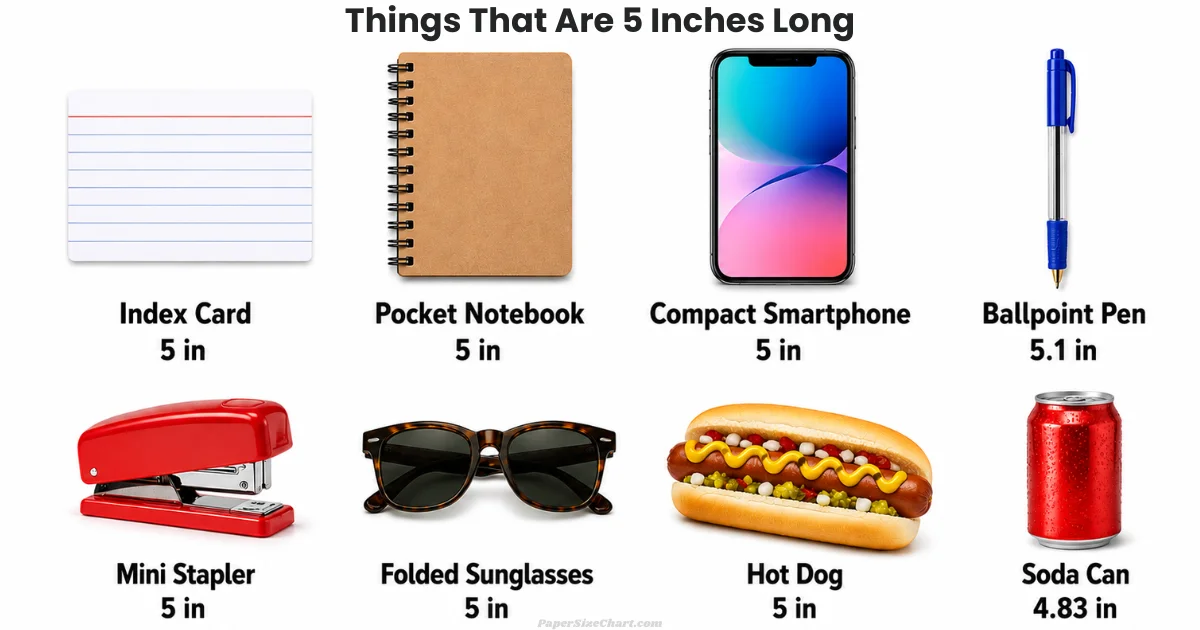
You’ve seen “5 inches” in product listings, DIY guides, or size charts. But what does 5 inches actually look like in real life?
The good news — you already own several things that are exactly 5 inches long. No ruler needed.
5 Inches to Different Units Conversion Table
15 Things That Are About 5 Inches Long
These are real, verified objects — the kind you grab every day without thinking about their size.
Index Card (Long Edge)
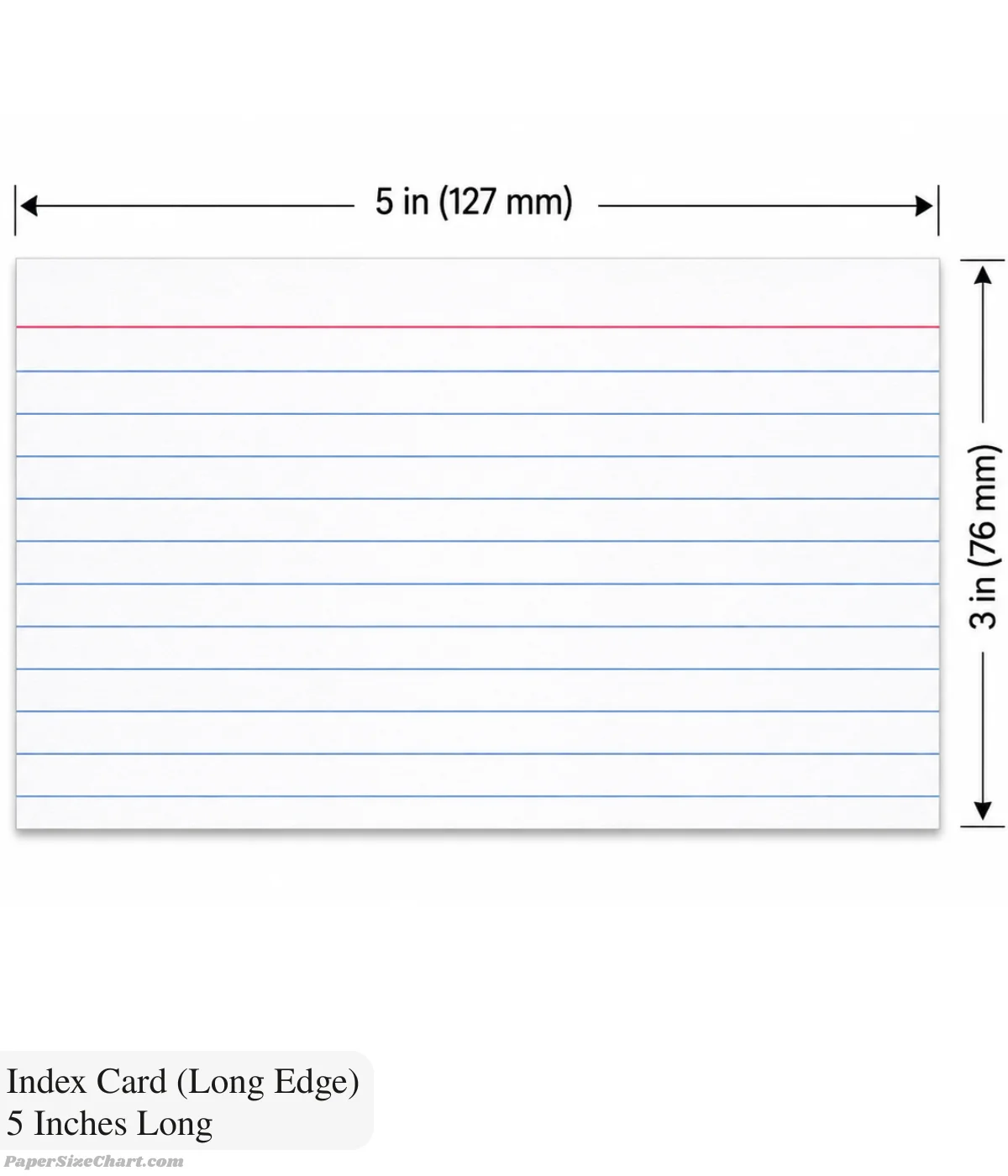
A standard 3×5 index card has a long edge of exactly 5 inches. This is one of the most precise references you’ll find.
Students and teachers use them daily. Grab one off your desk — that long side is your perfect 5-inch ruler alternative.
Pocket Notebook
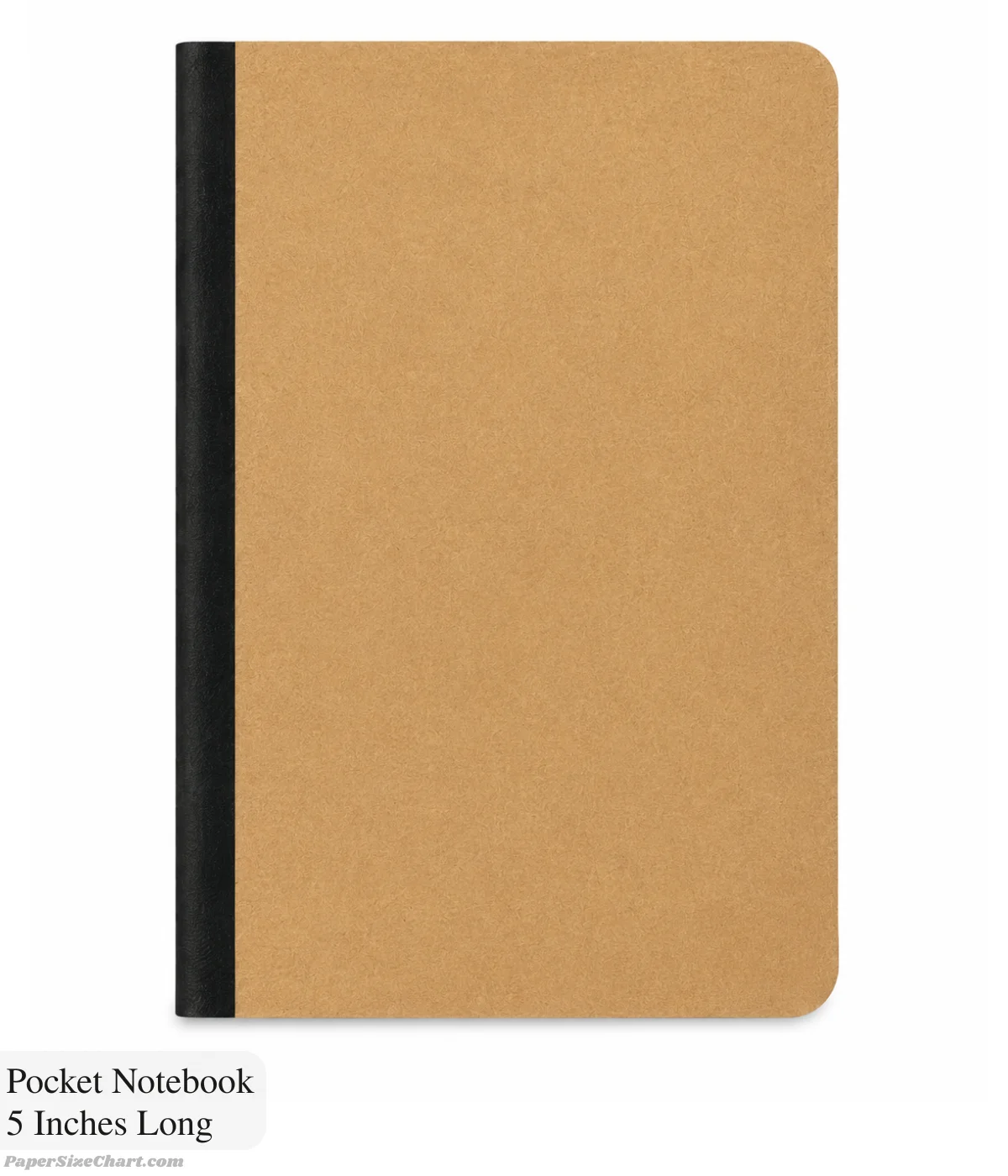
Most pocket-sized memo notebooks stand about 5 inches tall. Field Notes, Moleskine Cahier, and similar brands follow this standard.
Designed to fit a shirt pocket, the 5-inch height is the sweet spot between compact and usable.
Compact Smartphone
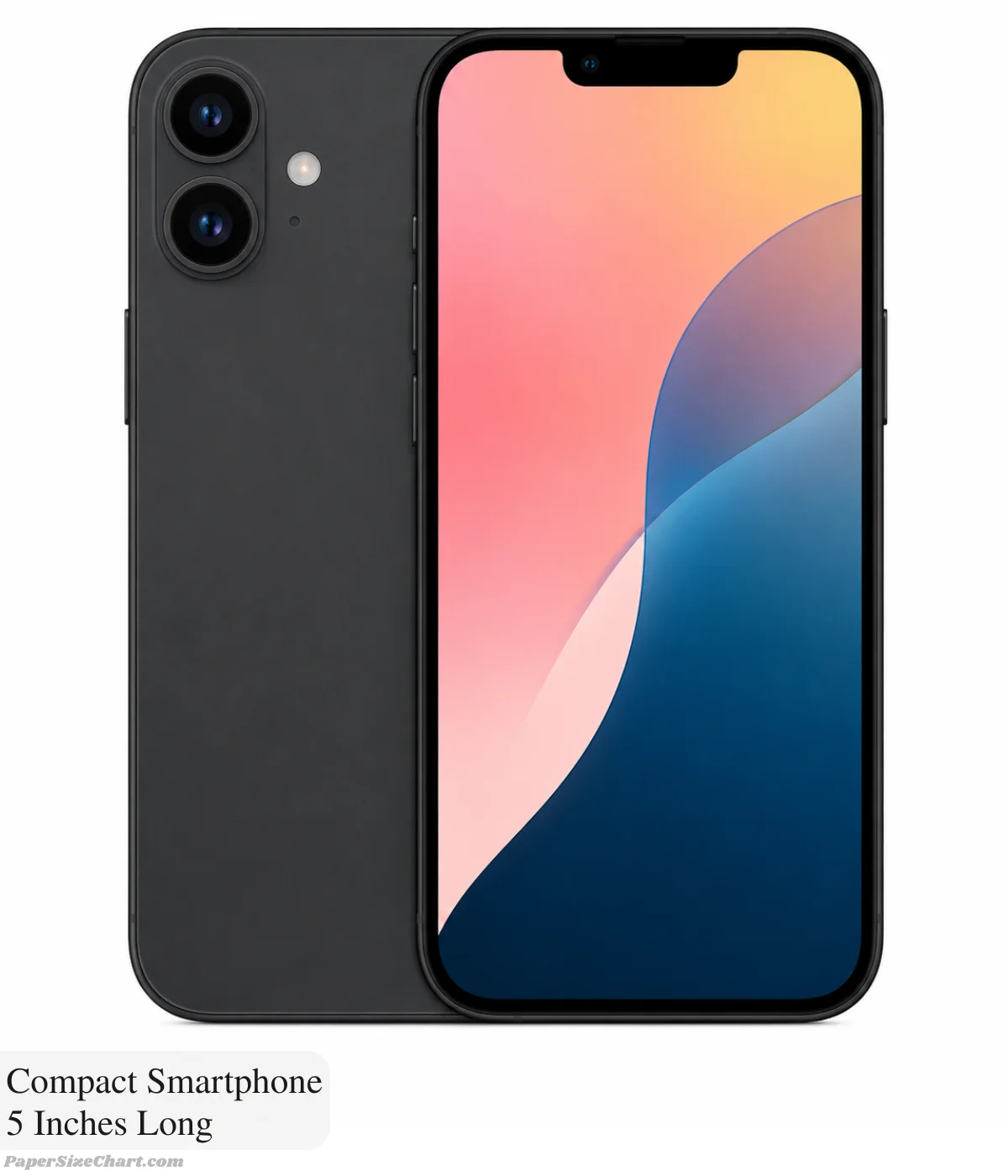
Budget and older compact smartphones measure around 5 inches in height. The original iPhone SE (2016) was 4.87 inches tall — practically 5 inches.
If you’re shopping online and see “5-inch display,” you can picture it clearly: about the size of your palm.
Ballpoint Pen (Cap Removed)

Remove the cap from a standard BIC or Zebra ballpoint pen and you’ve got roughly 5.1 inches of length.
This is a desk-drawer reference you always have within reach. Uncapped pens at ~5 inches are one of the most reliable everyday measurement tools.
Mini Stapler
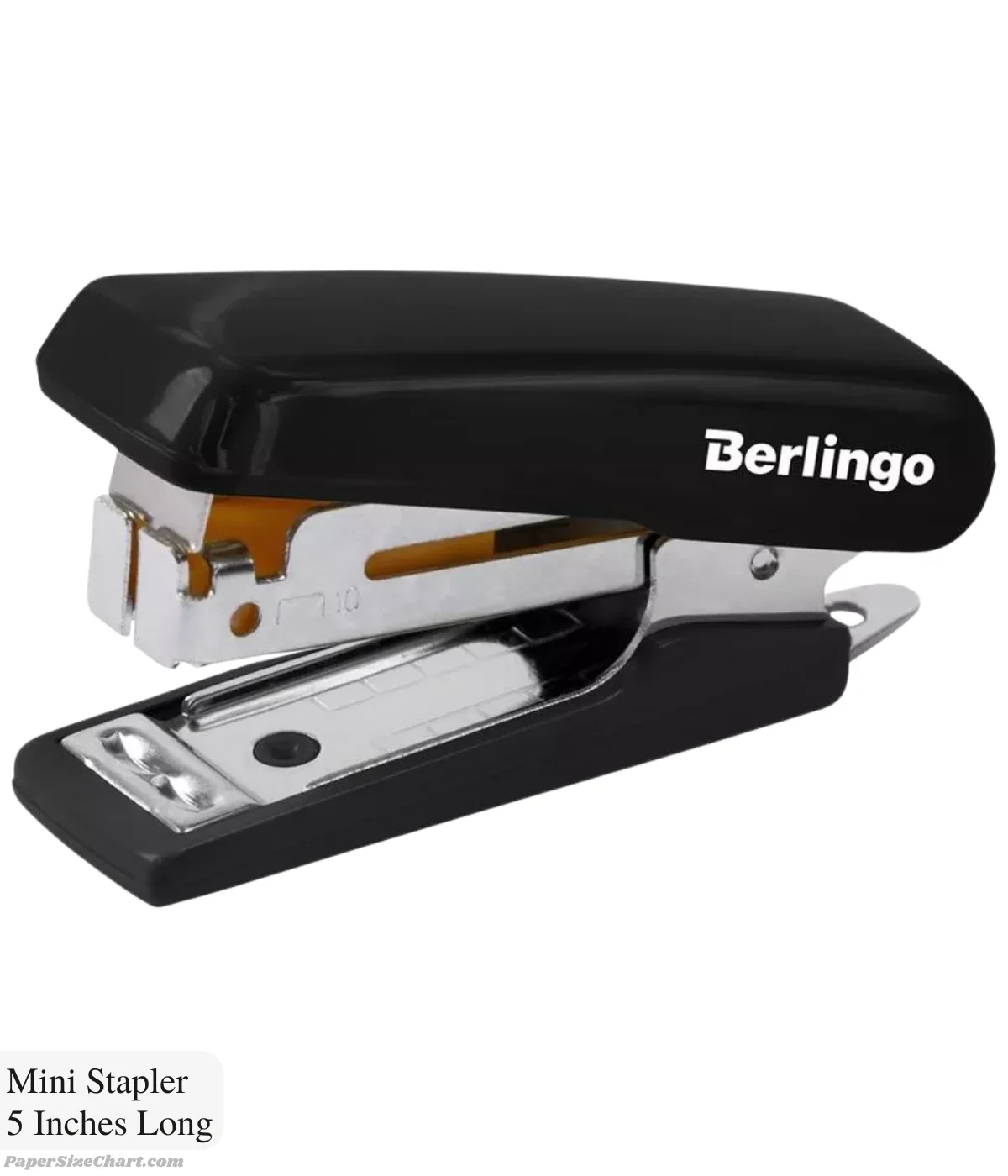
Compact desktop staplers — the kind you’d find at Target or Staples — typically measure around 5 inches long.
They’re palm-sized by design. Manufacturers hit this dimension because it feels natural in a human hand.
Folded Sunglasses
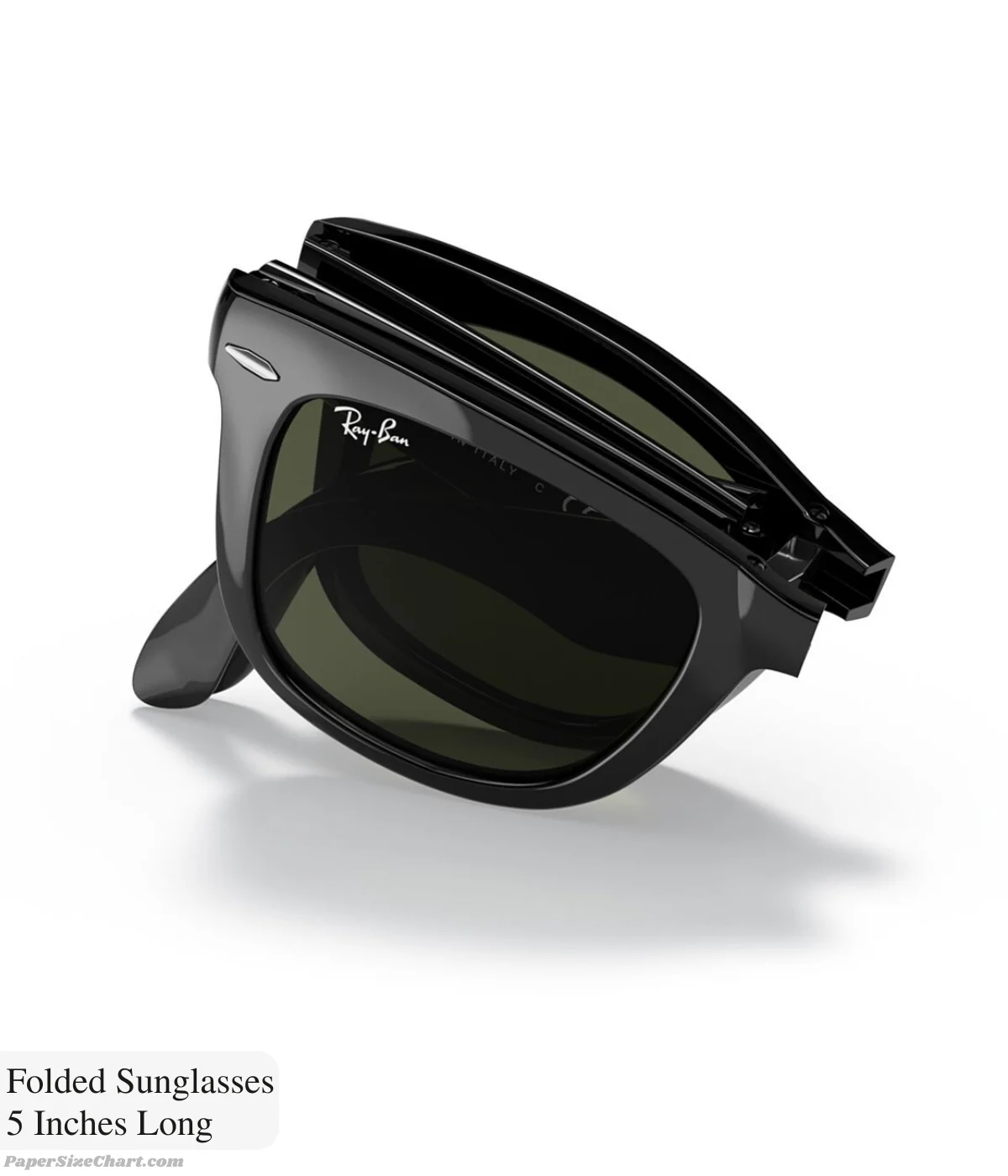
Pick up your folded glasses right now. That length in your hand? That’s 5 inches — one of the easiest references you already own.
This makes them a surprisingly useful travel reference. Case-fit dimensions for eyewear are almost always built around this measurement.
Small Picture Frame
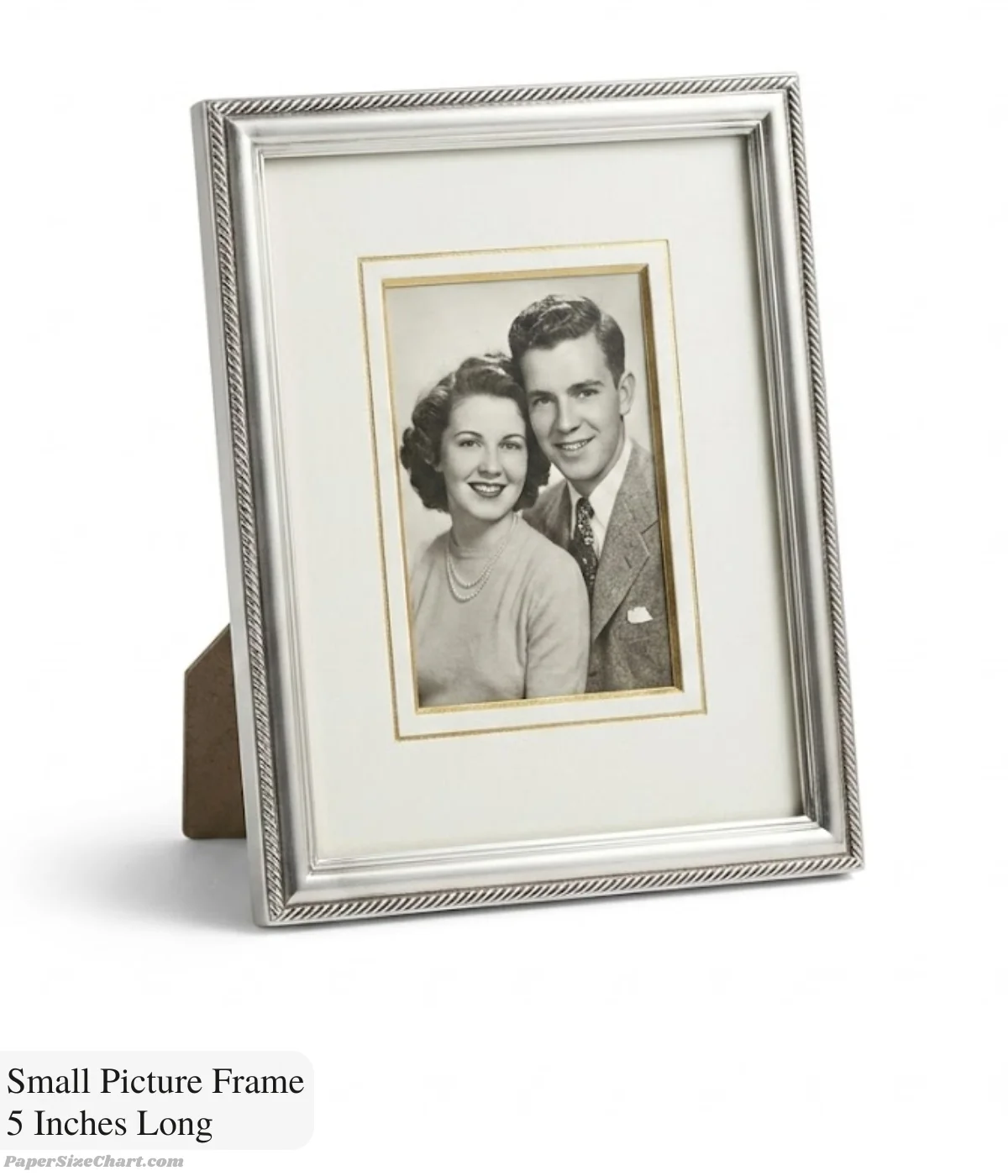
A 3.5×5 photo print fits inside a frame whose outer long edge is approximately 5 inches.
These are the desktop and nightstand frames you see everywhere. The outer frame dimension is a dependable size check for small spaces.
Desktop Alarm Clock
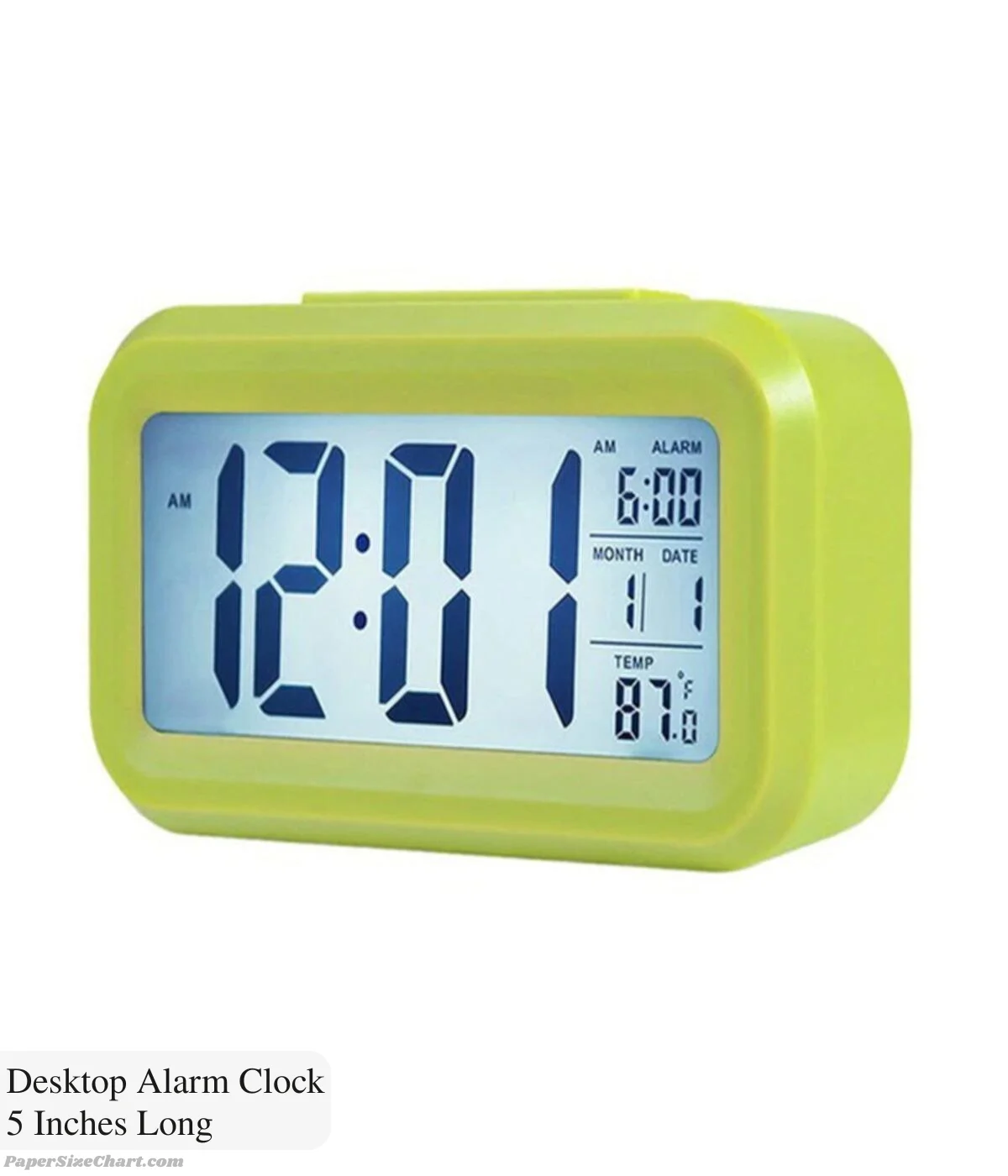
The average nightstand alarm clock is about 5 inches wide or tall. Manufacturers land on this size because it’s readable from bed without dominating the table.
It’s a bedroom reference that’s always in your line of sight.
Ceramic Bud Vase
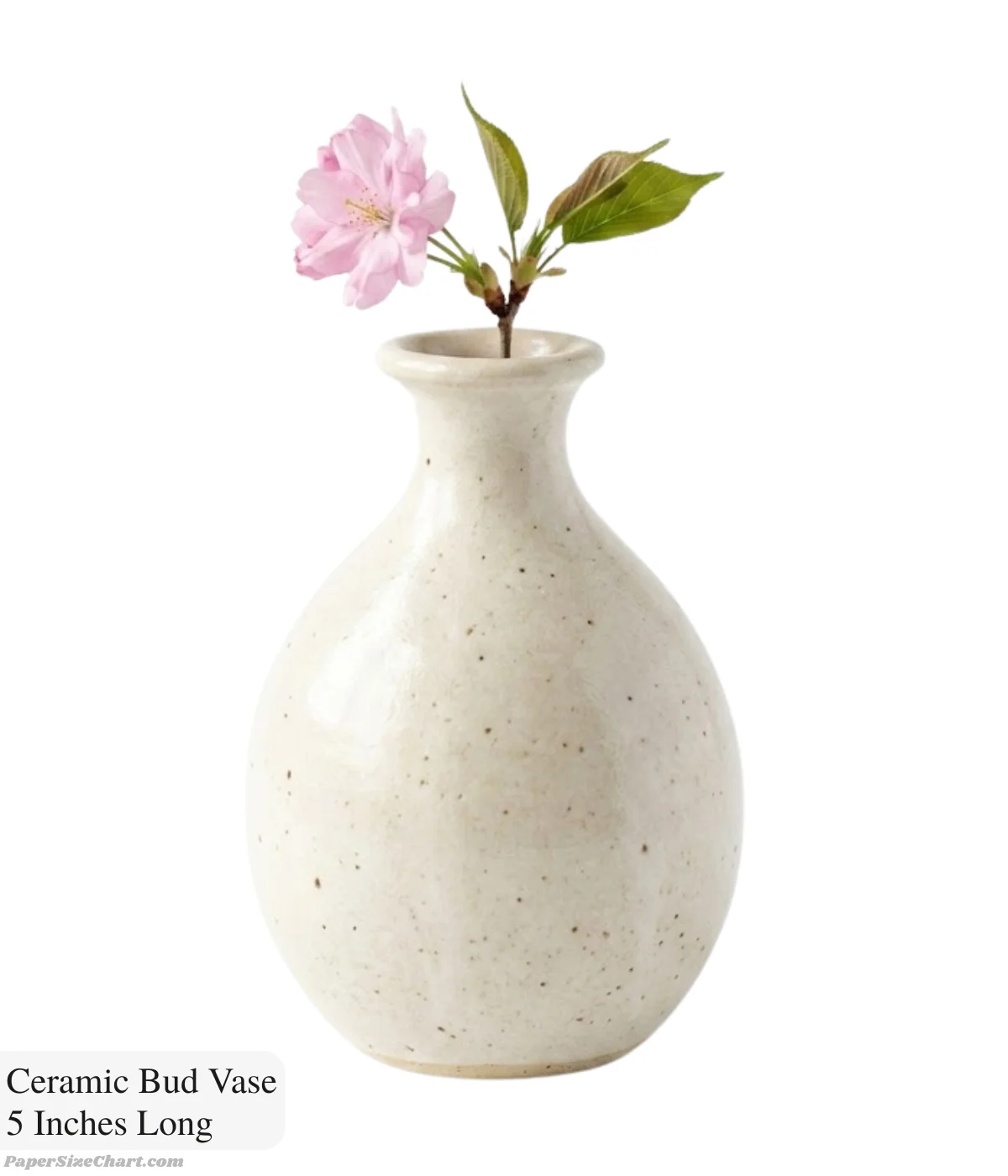
Small ceramic bud vases — the ones designed for one or two stems — average around 5 inches in height.
At 5 inches tall, a vase supports a 6–8 inch cut stem perfectly without hiding the bloom. Common in home décor and gift shops across the world.
Jewelry Pouch

Travel jewelry pouches and velvet drawstring bags typically measure around 5 inches in height.
Sized to coil a necklace flat inside, these pouches are a TSA-friendly packing reference — and a handy 5-inch size check before trips.
Hot Dog

A standard American hot dog is approximately 4.8 to 5 inches long. According to the National Hot Dog and Sausage Council (NHDSC), the most common ballpark frank falls right in this range.
It’s the most relatable food-based reference in the USA. Grill one up and you’ve got a roughly 5-inch measurement in your hand.
Gaming Controller Grip
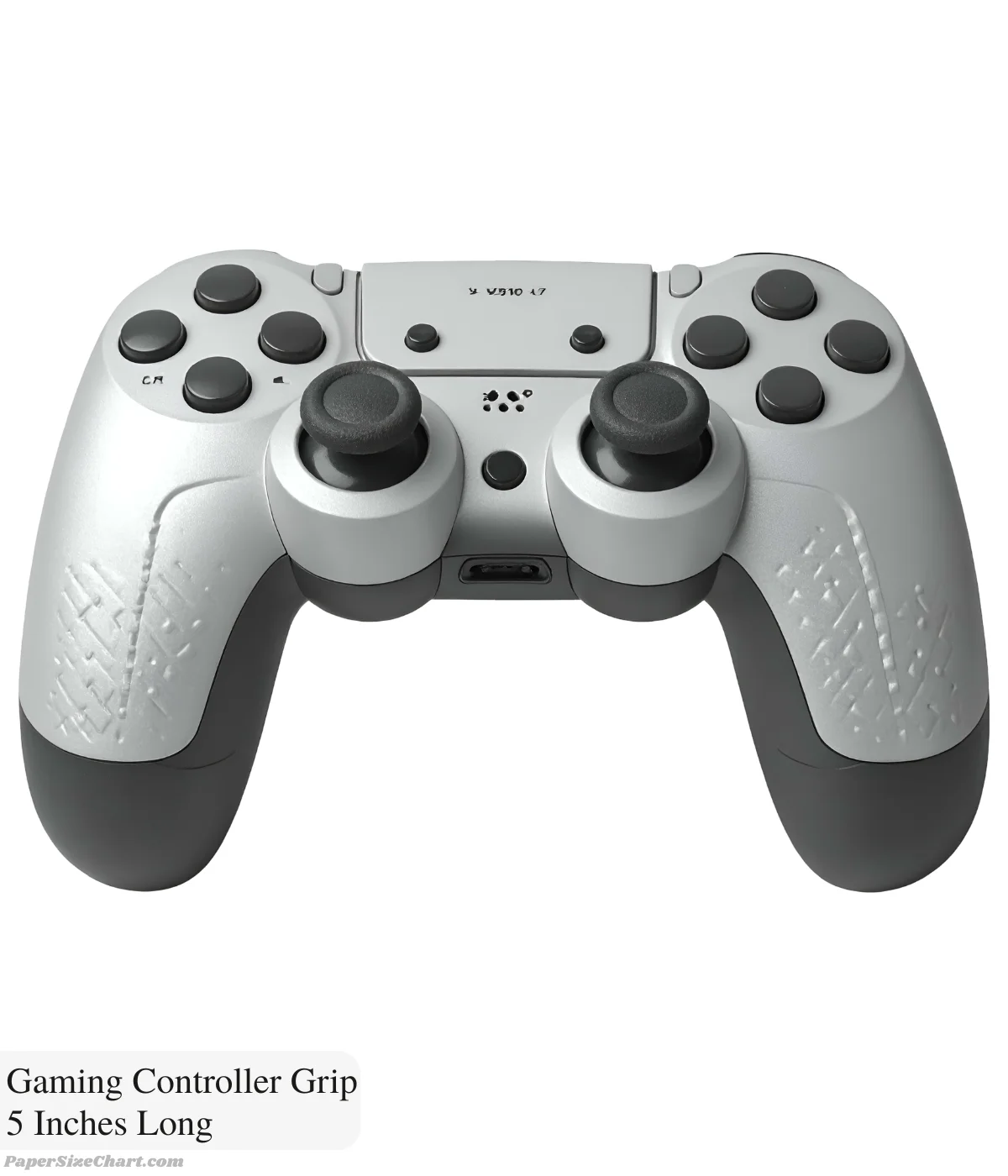
The grip section of a standard controller (Xbox, PlayStation) measures roughly 4.5 to 5 inches from top to bottom.
Ergonomic designers built this dimension to match average hand size. Gamers already hold 5 inches every time they pick up a controller.
12-Ounce Soda Can
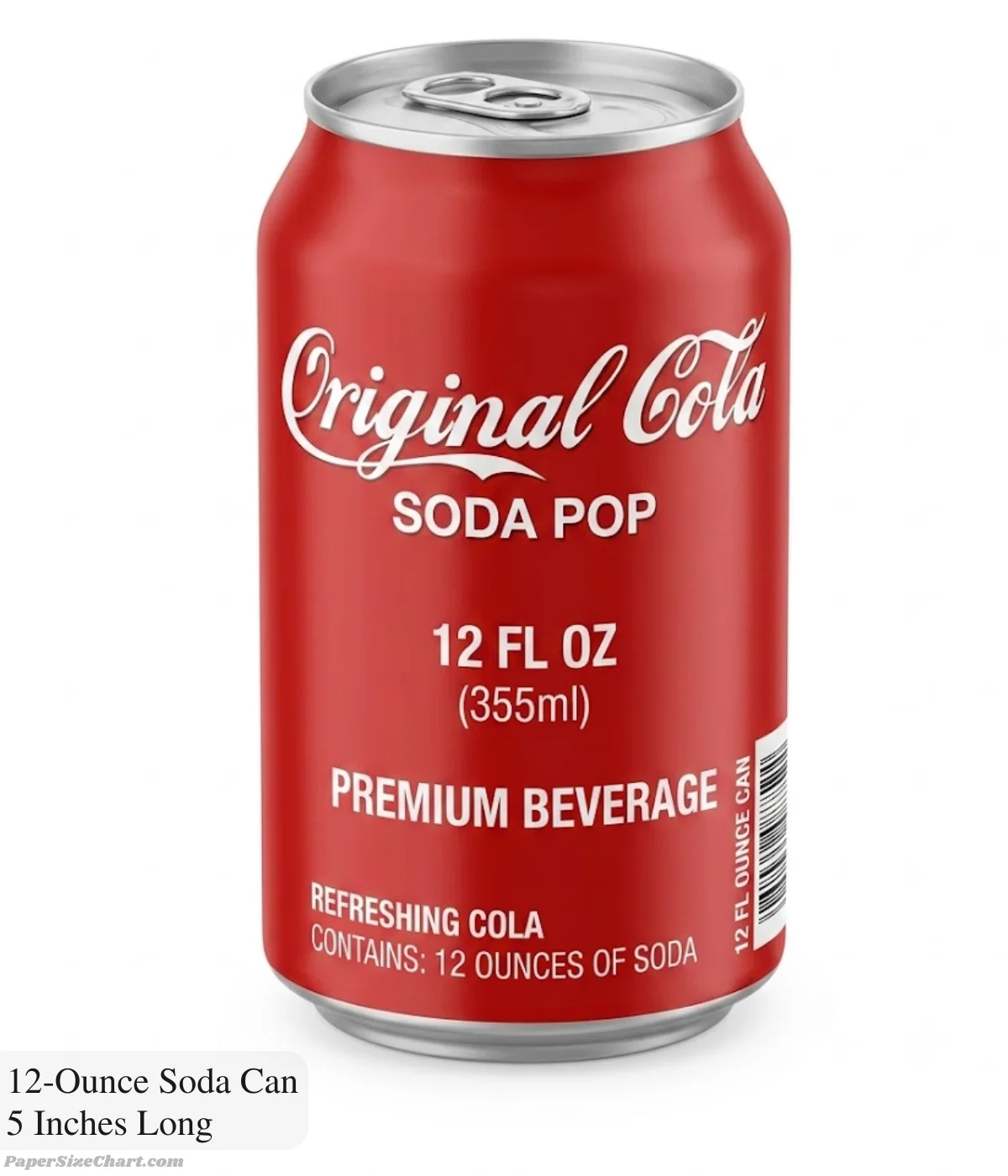
A standard 12 oz aluminum can (Coke, Pepsi, etc.) stands 4.83 inches tall — about a quarter inch short of 5 inches.
It’s the closest of the three flagged items, but still not exact. For casual estimation, it works. For precise measurement, reach for the index card instead.
Standard Envelope (Short Side)
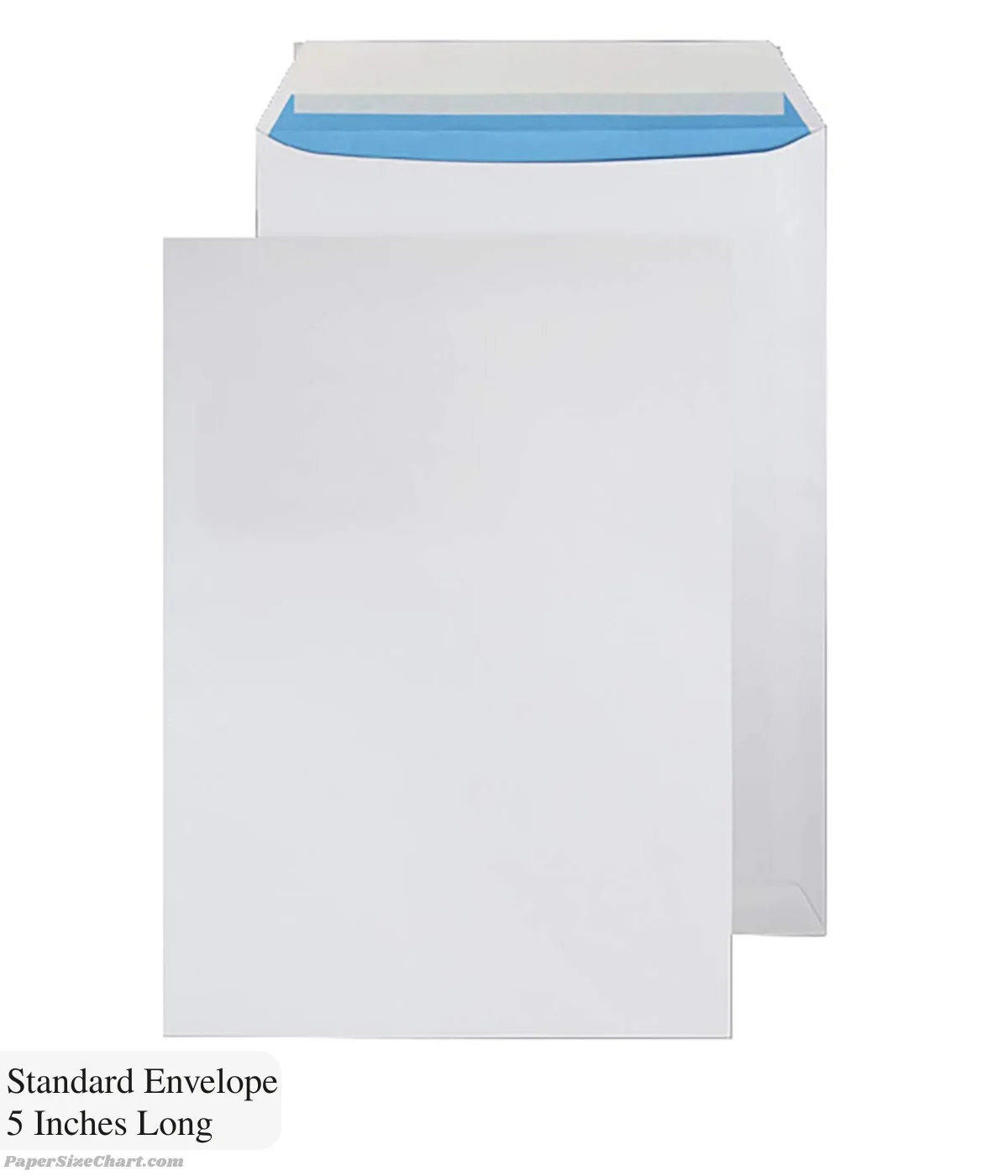
This one needs a correction. A standard #10 business envelope has a short side of just 4.125 inches — not 5 inches.
Many competing articles list it as a 5-inch reference. It isn’t. Don’t use it for an exact measurement — but it works as a rough visual if paired with a more accurate reference.
Campbell’s Soup Can
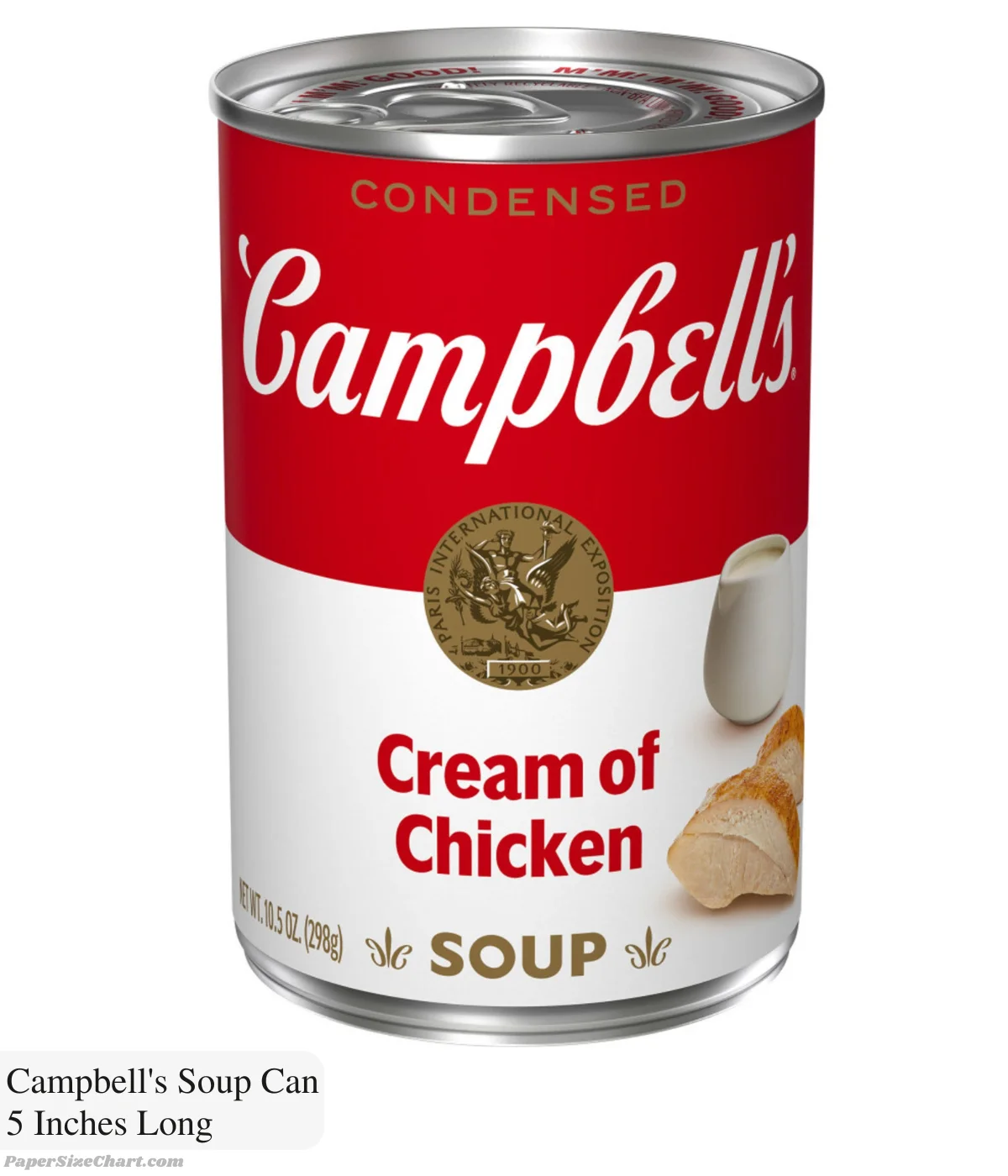
Here’s another widely repeated myth. A standard Campbell’s condensed soup can is approximately 4 to 4.5 inches tall, not 5 inches. The diameter is about 3 inches.
If you’ve seen it listed as a 5-inch example online, the source wasn’t verified. Use it as a near-reference only, not an exact one.
FAQ’s (Length 5 Inches)
What does 5 inches look like?
It looks like the long edge of an index card, an uncapped ballpoint pen, or a folded pair of sunglasses. It’s about 12.7 cm — longer than a credit card, shorter than a dollar bill.
How big is a 5 inch example?
A pocket notebook, mini stapler, or compact smartphone are all real-world 5-inch examples you can pick up today.
What can I compare 5 inches to?
The best comparisons are an index card (long edge), a ballpoint pen with the cap off, or a standard hot dog. All three sit right at 5 inches long.
Is 5 inches big or small?
In everyday terms, 5 inches is a medium-small size. It fits in your palm. It’s practical, compact, and one of the most common dimensions in consumer products.
How big is 5 inches with fingers?
Spread your index finger to pinky finger wide open. For most adult hands, that span measures approximately 5 inches. It’s a quick, reliable body-based estimate.
Conclusion
5 inches is more common than you think. It shows up in your pocket, on your desk, in your bathroom, and in your kitchen every single day.
The best quick references: an index card (exact), an uncapped ballpoint pen (exact), and a folded pair of sunglasses (very close). These three are always accessible.
Next time you see “5 inches” in a product description or how-to guide — you’ll know exactly what to picture.

Hi, I’m Steven Henry, the creator behind Papersizechart.com. My goal is to make measurements easy for everyone, from paper sizes to everyday dimensions. I help you find the right paper for printing, crafts, or school projects and understand the measurements you need for your space or projects—all without the confusion. Let’s explore guides and charts together, so you can work with paper and dimensions confidently for any task.